Neiva Cimini,
the specialist surgeons call on
when the result is on the line.
Clinical massage therapist. Lymphatic disorders specialist. Creator of the Método Neiva Cimini®. Based in Belgium since 2016. Built from nothing, a reference today.
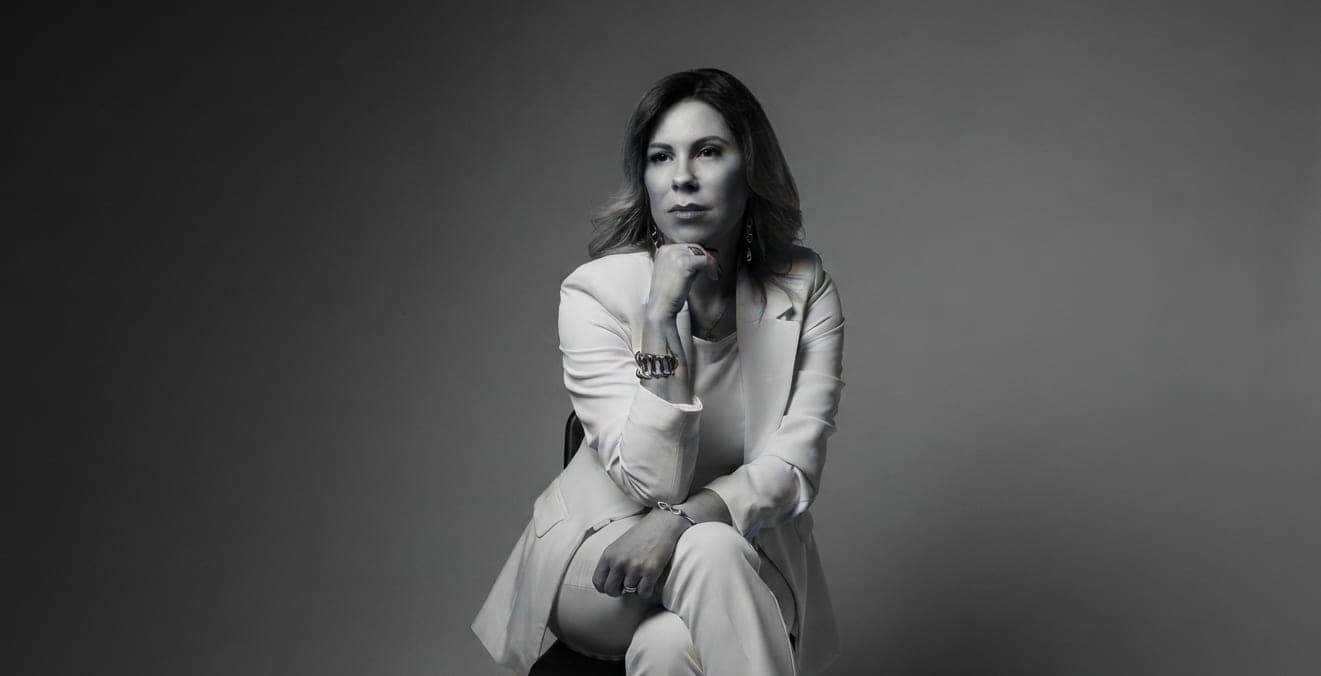
From nothing in Belgium to the reference doctors refer to.
In 2016, I arrived in Belgium with no valid local diploma, no clients, no network. I had experience, I had a method, but I had to prove everything all over again, in a language I was still learning, in a market that didn't know me.
I started with lymphatic drainage. It was what I did well, and it was what opened the first doors. But I soon understood that what set me apart wasn't the technique: it was the reasoning behind it. Why the fluid moves there. What happens when the fascia adheres. What surgery did to the lymphatic system of that specific body. This is what most people who perform drainage never learn.
Over time, my name began to circulate among doctors. Not for the beautiful results, but for the difficult cases I solved. The fibrosis no one else wanted to take on. The swelling that wouldn't go down after months. The patient who had been operated on abroad and come back with no support. These were the doors that brought me inside medicine.
Today I work inside a plastic surgery clinic in Meise, following highly complex lymphatic surgeries and training doctors and their teams. And in 2026 I was invited to speak at ISAPS Body Masters, in Barcelona, alongside the world's leading body-contouring surgeons.
It wasn't luck. It was the logic of someone who chose to be rigorous when it would have been easier to be generic.
Over time, I realized that the biggest problem in post-operative recovery wasn't a lack of technique: it was a lack of reasoning about the right timing.
I saw many people with fibrosis caused by strong massage applied too early. I saw seromas that got worse because someone tried to "drain" them with excessive pressure. I saw surgical results compromised not by the surgery itself, but by what happened (or didn't happen) in the following weeks.
This drove me to study more deeply: the physiology of healing, the histology of collagen, the biomechanics of fascia, the pharmacology of inflammation. Not because I was going to prescribe, but because to guide well, you have to understand what you are guiding.
That's when the Method took shape: not as a set of techniques, but as clinical reasoning applied to post-operative care. A way of thinking before you touch.
"My goal isn't only aesthetic, it's functional: to restore the function of the damaged tissue."
What is verifiable, and how to verify it.
ISAPS Body Masters 2026, Barcelona
Invited to lecture at the elite ISAPS (International Society of Aesthetic Plastic Surgery) course, restricted to board-certified plastic surgeons from around the world. One of the rare non-physician specialists in a space reserved for the highest level of medicine. Confirmed in writing. Friday, 3 July 2026.
See the source →Post-operative care for landmark lymphatic surgeries in Meise
She works regularly inside a plastic surgery clinic in Meise, following one of the most complex procedures in medicine: microsurgical lymphatic anastomosis. That is why she is in Meise twice a week. This is the level of trust surgeons place in the method.
See in Press →Doctors trained in Belgium and Germany
She has trained three surgeons who wanted to implement post-operative care in their own practices. When a doctor pays to learn from you, authority is of a different order.
See in Press →Marie Claire Belgium
Featured in an editorial piece in the Belgian edition. Not sponsored: mentioned by journalism.
See the source →Scientific Committee · Estética in São Paulo
Speaker at Estética in São Paulo — one of Latin America's largest aesthetics congresses — as a member of the CTBBAS Scientific Committee.
See the source →Post-operative care since 2016 · 500+ sessions
Ten years of clinical practice in Belgium. Built from real cases, many of them complex: complications other professionals wouldn't, or couldn't, manage.
See in Press →Partnership, not competition.
The work of a lymphatic disorders specialist is conservative and complementary to the surgeon's — she gives continuity to the result and knows exactly where her own scope ends and his begins. She is not a physician or a physiotherapist; she does not diagnose or prescribe. She does not compete with the surgeon: she protects his result.
What I do is continue the result the surgeon created on the operating table, and give the surgeon something they rarely have: predictability in recovery.
Most post-operative problems don't begin in the operating room. They begin afterwards, when the surgeon "loses control" and what happens to the tissue depends on whoever is guiding the recovery. When that someone has a method, clinical reasoning and communication with the surgeon, the result is more stable, complications are fewer and the client's satisfaction with the surgery rises.
I always work in partnership with the attending physician. Any clinical question beyond my scope, I refer. Any complication, I report. Support for the doctor is part of the protocol.
If you're a surgeon and would like to talk about a partnership or training for your team:
"Doctor, when you have post-operative care in place, you have more predictability in your result."
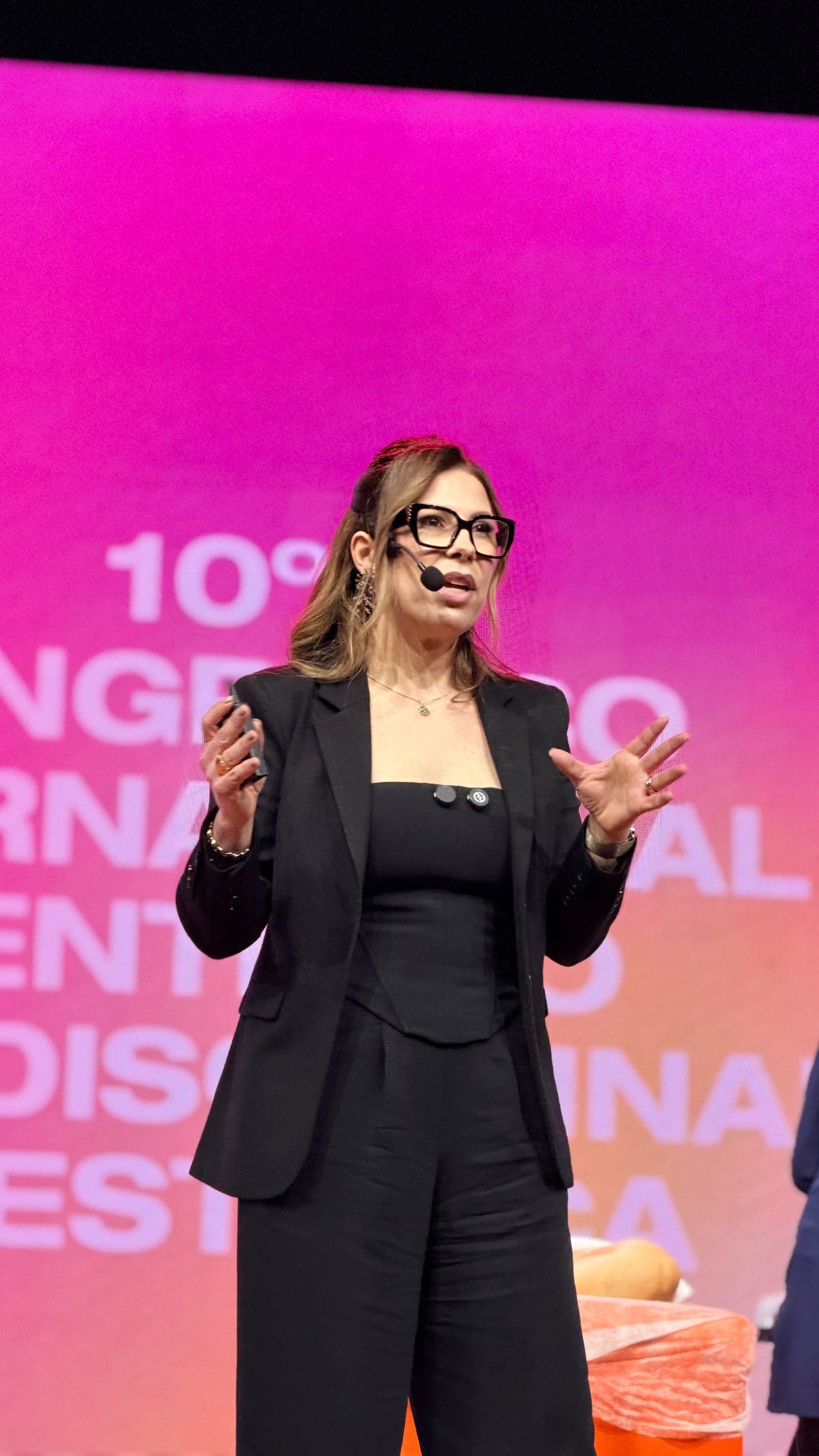
I've also been on the other side of the table.
I'm a plastic surgery patient myself. I know first-hand what it is to feel vulnerable after surgery: the swollen body, the doubt over whether it will turn out well, the fear of doing something wrong, the dependence on someone who truly understands what is happening.
That experience changed the way I work. There is no client I look at without thinking that this person entrusted their body to me at a moment of real vulnerability. That is no small detail: it is the centre of everything.
I don't work by the clock. I have no standard package. I stay for as long as the session requires, because my commitment is to the result, not to the schedule.
I'm not limited to a single language either: I work in Dutch, English, French and Portuguese. Because in Belgium, recovery shouldn't be limited by language.
"I don't treat only the body, I treat the person. They don't feel like numbers, they feel like individuals who are heard."
Now that you know who I am...
Want to learn the method, or refer someone to it?
For training or for clinical partnership.
Discover the Academy →